
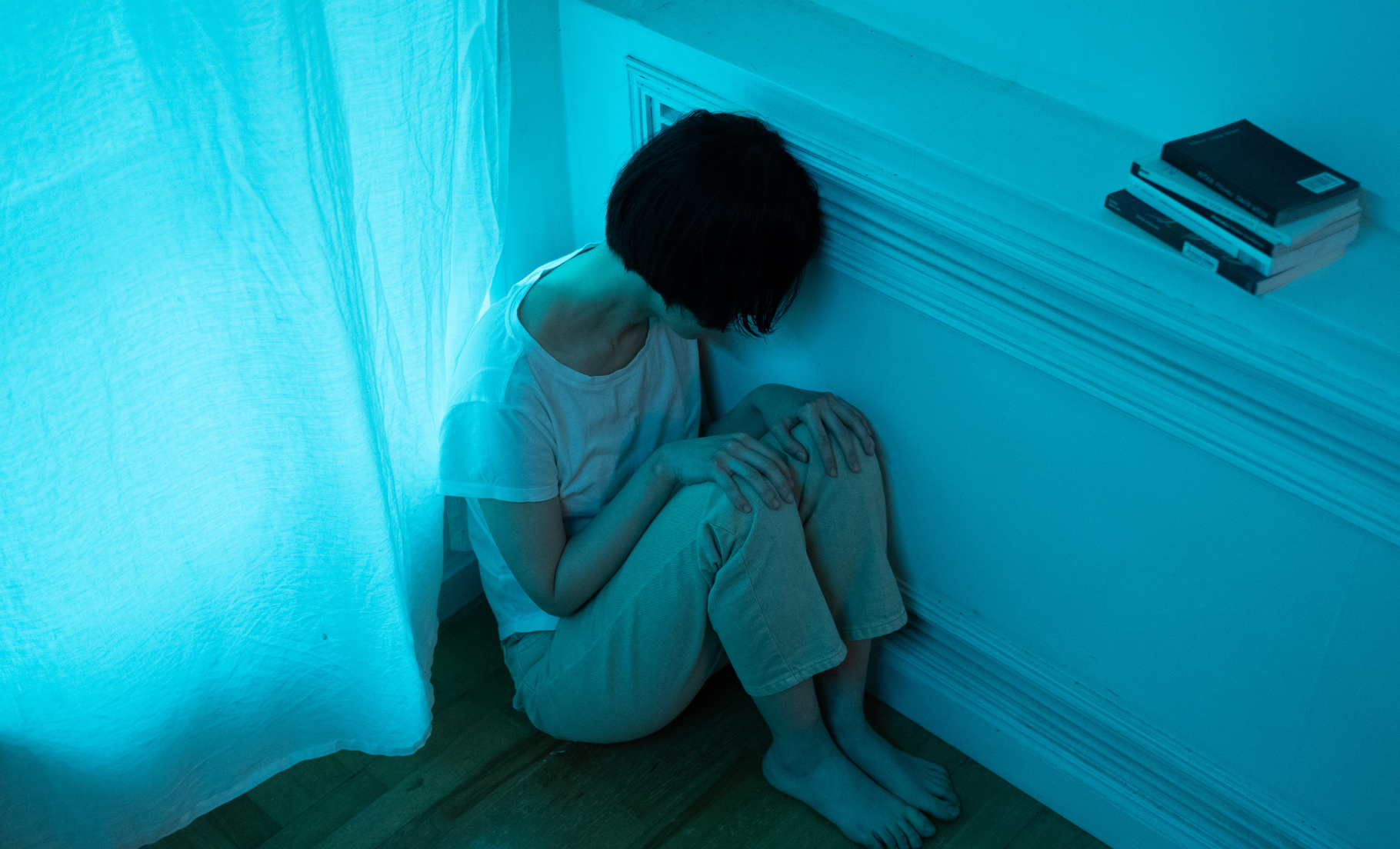


Sleep is a fundamental aspect of mental and physical well-being, with many adolescents, particularly those with autism, struggling to get adequate sleep due to the unique challenges they face. With many of the co-morbidities experienced by individuals with autism such as increased anxiety, stress, poor self-esteem, behavioural regulation, cognitive functioning, and school refusal, also found within general populations who experience sleep problems, this blog seeks to raise awareness of the importance and effectiveness of tailored sleep interventions for autistic adolescents.
The Mental Health Benefits of Sleep
The importance of sleep for mental health is well-documented. Studies highlight that sleep deprivation can exacerbate anxiety, depression, and stress, all of which are common co-occurring conditions in individuals with autism. Sleep serves as a vital restorative process for the brain, aiding in memory consolidation, emotional regulation, and cognitive functioning. According to renowned neuroscientist Matthew Walker, author of Why We Sleep, a full night’s sleep can enhance emotional resilience and reduce the impact of negative experiences on mental health. Walker’s research also shows that consistent, quality sleep is essential for adolescents, as their developing brains are particularly vulnerable to the adverse effects of sleep deprivation.
For autistic adolescents, who are already predisposed to heightened levels of anxiety and stress, the mental health benefits of sleep are even more critical. Without adequate sleep, their ability to manage social interactions, regulate emotions, and perform academically can suffer. Research shows that poor sleep in this group is linked to greater behavioral difficulties, impaired social communication, and increased sensitivity to sensory stimuli—all areas where autistic adolescents may already experience challenges.
Sleep Challenges for Autistic Adolescents
Unfortunately, sleep problems are prevalent among individuals with autism. Studies suggest that up to 80% of autistic children and adolescents experience sleep disturbances, with issues like difficulty falling asleep, frequent night awakenings, and shorter sleep durations being common. These problems often persist throughout adolescence and into adulthood. The reasons for these disturbances are multifaceted, ranging from biological differences often found in those diagnosed with ASD —such as irregular melatonin production and altered circadian rhythms—to heightened sensitivity to environmental stimuli that make it harder to relax and fall asleep.
In addition to these inherent challenges, modern distractions such as smartphones and digital screens further exacerbate sleep problems in autistic adolescents. The blue light emitted from screens can suppress melatonin production, the hormone that signals to our brain that it’s time to sleep. Many adolescents, not just those with autism, find it difficult to disengage from their phones at night, but for those on the autism spectrum, this can be even more problematic. Consider the times you’ve stayed awake into the early hours of the morning scrolling on TikTok. With social media algorithms designed to keep us scrolling, there is growing evidence suggesting autistic people are at a greater risk of addiction and compulsive use of social media.
Improving Sleep for Autistic Adolescents
Given the profound impact that sleep has on mental health and eudaimonic wellbeing, it is crucial to find ways to support the development of better sleep habits in autistic adolescents. One effective strategy is establishing a consistent bedtime routine that reduces overstimulation in the hours leading up to sleep. This might include limiting screen time at least an hour before bed, engaging in calming activities like reading, or practicing relaxation techniques such as deep breathing or mindfulness. Consistency is key in building a routine and developing better habits.
As autistic adolescents are also more prone to feelings of anxiety and stress, writing a ‘worry diary’ one or two hours before bed can also be an effective part of a wind-down routine. Taking proactive measures such as this to treat feelings of stress and anxiety can help avoid pre-sleep rumination and catastrophising - a trap we all fall into, at the detriment of a good night’s sleep.
Additionally, creating a sleep-friendly environment is essential. Autistic individuals often have heightened sensitivity to noise, light, and texture, so ensuring the bedroom is a comfortable, quiet, and dark space can make a significant difference. Blackout curtains, white noise machines, or weighted blankets are tools that some autistic individuals find helpful in promoting relaxation and sleep. Keeping bedrooms cool, reducing body temperature with a room temperature bath - as part of a wind-down routine, and considering the sensory textures of bedding and pyjamas are all to be considered when trying to treat sleep problems in autistic adolescents.
As an additional note, melatonin supplements have also been shown to help some autistic adolescents regulate their sleep cycles. Matthew Walker recommends first treating sleep problems with behavioural and environmental changes rather than melatonin supplements. A justification for this is by making these changes, autistic adolescents can develop and learn positive sleep habits that will support improving their sleep quality throughout their adolescence and into adulthood.
Conclusion
The relationship between sleep and mental health cannot be overstated, particularly for autistic adolescents who already face a range of emotional, social, and sensory challenges. Supporting healthy sleep habits in this population is not only beneficial for improving mental health but can also enhance their overall quality of life. Drawing from both clinical experience and research, I have seen firsthand how better sleep can positively impact people’s mood, behaviour, and ability to cope with daily life. By addressing sleep problems through targeted interventions and creating an environment conducive to rest, autistic adolescents can be supported through a critical period of their development and learn sleep habits that will improve their quality of life into adulthood and beyond.
References
Walker, M. (2017). Why We Sleep: Unlocking the Power of Sleep and Dreams.
Autism Speaks. (2020). “Sleep and Autism.”
Horsnell, J., Mangar, S., Dimitriou, D., & Halstead, E. J. (2023). Parental Experiences of Melatonin Administration to Manage Sleep Disturbances in Autistic Children and Adolescent in the UK. Healthcare (Basel, Switzerland), 11(12), 1780. https://doi.org/10.3390/healthcare11121780
Abouzed, M., Salama, B., Gabr, A., Elag, K. A., Soliman, M., Elsaadouni, N., & Elzahab, N. A. (2024). Impact of smart technology use on sleep quality in individuals with autism spectrum disorder: a mixed-methods investigation. Frontiers in psychiatry, 15, 1411993. https://doi.org/10.3389/fpsyt.2024.1411993
Finkenauer, C., Pollmann, M. M., Begeer, S., & Kerkhof, P. (2012). Brief report: examining the link between autistic traits and compulsive Internet use in a non-clinical sample. Journal of autism and developmental disorders, 42(10), 2252–2256. https://doi.org/10.1007/s10803-012-1465-4